Categories








































Top 30 Interview Questions for Marketing Specialists at Procter & Gamble

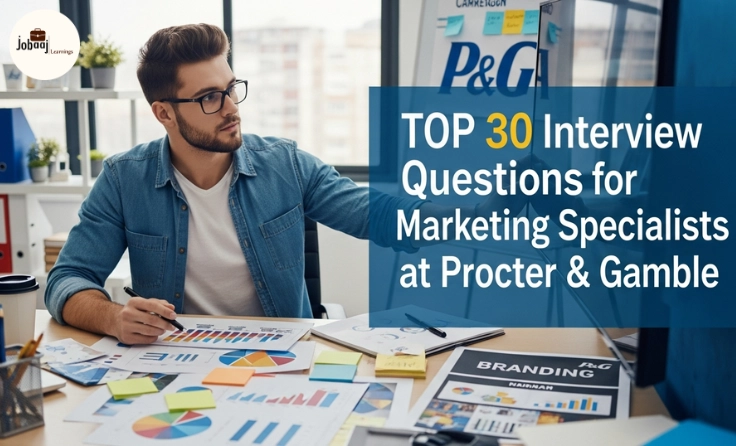
Imagine stepping into an interview room at Procter & Gamble, a global leader known for its innovative products that impact millions of lives. The excitement is real, but so is the pressure to prove yourself. Procter & Gamble isn't just looking for skilled marketers—they want creative thinkers who align with their mission of sustainability and consumer-focused innovation.
Exploring a career in Performance Marketing? Apply Now!
As a Marketing Specialist at Procter & Gamble, your role goes beyond promoting products. It’s about understanding consumer needs, crafting meaningful experiences, and helping to shape the future of iconic brands. But to get to that point, you first have to ace the interview. In this article, we’ll walk through the 30 common interview questions you’ll likely encounter during your Procter & Gamble marketing interview, giving you a roadmap to prepare thoughtfully and confidently. Whether you’re new to the field or have years of experience, this guide will help you showcase your abilities and stand out from the competition.
1. Tell us about yourself and your journey into marketing.
The first question might seem simple, but it’s actually an opportunity for you to set the tone for the rest of the conversation. Think of it as your chance to tell your story. Share not only your educational background and work experience but also explain why you chose marketing in the first place. Maybe it was the creativity involved, or the excitement of driving consumer behavior. Whatever it is, make sure to highlight what excites you about marketing and how that passion aligns with Procter & Gamble’s mission.
2. Why do you want to work for Procter & Gamble?
Procter & Gamble is a company with a powerful legacy and a bright future, and the interviewer wants to know why you’re specifically drawn to their brand. Don’t just say “I love your products.” Go deeper—mention Procter & Gamble’s commitment to innovation, their efforts in sustainability, and how they lead in diverse marketing strategies that touch millions of lives. Connect your personal values and your professional aspirations to what Procter & Gamble represents. Show them that you’re not just interested in the role, but in contributing to a company that makes a meaningful difference.
3. How do you stay up to date with the latest marketing trends?
In the fast-paced world of marketing, staying current is crucial. Whether it’s new digital marketing tools, trends in consumer behavior, or emerging platforms, you’ll need to show that you’re proactive about staying informed. Discuss the resources you rely on—industry blogs, online courses, marketing webinars, and social media platforms like LinkedIn, where you can follow thought leaders. Let them know that you’re always learning, and you’re passionate about keeping your strategies fresh and relevant.
4. How do you approach target audience segmentation?
At Procter & Gamble, reaching the right audience with the right message is key to success. Share how you use data-driven insights to segment audiences based on demographics, psychographics, and purchasing behaviors. Explain how you define buyer personas and how these personas shape the messaging, positioning, and strategy of your campaigns. Use examples where your segmentation approach led to higher conversion rates or increased brand engagement.
5. Describe a time when you developed a successful marketing campaign.
Procter & Gamble values marketing professionals who can not only create but also execute successful campaigns. Tell them about a marketing initiative you’ve worked on from start to finish. Walk them through the research phase, your targeting strategies, how you created the messaging, and the tools you used to measure success. Don’t forget to include any ROI metrics that show how your campaign positively impacted the business.
6. How do you measure the success of a marketing campaign?
Marketing isn’t just about creativity; it’s about measuring the effectiveness of your efforts. Describe the KPIs you track when evaluating a campaign’s success—whether it’s customer acquisition costs, brand sentiment, engagement metrics, or sales growth. Share an example where your ability to analyze these metrics helped you refine a campaign and achieve better results.
7. How do you handle working with tight budgets?
Marketing on a budget can be a challenge, but it’s an essential skill for a Marketing Specialist. Share a specific time when you had to make the most of limited resources. Maybe you relied on organic social media, used guerrilla marketing tactics, or found creative ways to leverage partnerships. Show that you can think outside the box and still deliver high-impact campaigns without overspending.
8. How do you prioritize tasks when managing multiple campaigns?
Marketing at Procter & Gamble often involves juggling multiple campaigns at once. Talk about how you manage competing deadlines, prioritize key tasks, and keep things organized. Do you use project management tools like Asana, Trello, or Monday.com? How do you delegate tasks and ensure your team is aligned with the overall objectives? Share an example where your prioritization skills helped deliver a campaign on time and within budget.
9. How do you ensure consistency across all marketing channels?
Consistency in messaging, tone, and visuals is key when you’re marketing a global brand like those at Procter & Gamble. Discuss how you ensure that every piece of communication—whether it’s a social media post, a TV ad, or a product page—aligns with the brand’s identity. Explain how you collaborate with other departments (like creative teams or sales) to maintain this consistency.
10. Tell us about a time when you worked cross-functionally with other teams.
Collaboration is essential at Procter & Gamble. Whether you’re working with sales, product development, or customer service, you need to be able to work seamlessly with other departments. Share an example where you collaborated with a team outside of marketing. Describe how you communicated across departments, addressed any challenges, and how the collaboration led to a successful outcome.
11. How do you handle negative feedback about a campaign?
Not every campaign is going to be perfect, and Procter & Gamble values employees who can handle constructive criticism professionally. Share a time when you received negative feedback about a campaign. How did you approach the situation, and what steps did you take to improve? Show how you embrace feedback, use it to learn, and apply those lessons to make your future work better.
12. How do you build and maintain relationships with clients or customers?
Marketing isn’t just about attracting customers; it’s about building lasting relationships. Share your strategies for maintaining customer loyalty and building trust through engaging content, excellent customer service, or personalized communication. Explain how you measure and improve customer satisfaction.
13. How do you approach creating a brand strategy from scratch?
When Procter & Gamble develops a new product, the marketing strategy must start from the ground up. Discuss your approach to brand strategy, from identifying target markets and crafting brand positioning to defining key messages and determining your brand’s unique value proposition (UVP). Share a real-life example where you built a successful brand strategy that resonated with your audience.
14. What’s your experience with market research?
Understanding consumer needs and trends is central to effective marketing. Share your experience with market research techniques, whether it’s conducting focus groups, running surveys, or analyzing consumer behavior data. Explain how you use the insights from your research to influence marketing decisions and strategies.
15. How do you stay creative under pressure or tight deadlines?
Marketing often requires creative thinking under pressure. Talk about how you stay motivated and creative when working with tight timelines or challenging circumstances. Do you rely on brainstorming sessions with your team, external inspiration, or quick prototyping? Share a time when you delivered a creative solution under pressure.
16. How do you manage large-scale projects with multiple moving parts?
At P&G, operations often involve managing large, multi-faceted projects. This question is meant to assess your organizational and project management skills. Share an example of a complex project where you had to oversee multiple tasks, teams, and deliverables. Explain how you prioritized tasks, coordinated efforts across departments, and ensured everything stayed on track.
Talk about the tools or methodologies you use, such as Agile, Scrum, or Kanban, to manage large-scale projects effectively and ensure smooth delivery.
17. How do you ensure that your team stays motivated during challenging times?
Marketing can be demanding, especially when facing tight deadlines or complex projects. Share how you keep your team motivated, focused, and engaged during stressful times. You might talk about providing recognition, fostering open communication, or offering support to team members who need it most.
For instance, share how you’ve helped your team overcome challenges while maintaining high energy and morale.
18. What’s your experience with cost reduction without compromising quality?
P&G places great value on maintaining high-quality standards while also ensuring cost efficiency. Share a time when you successfully reduced costs in a marketing campaign without sacrificing quality. Did you streamline processes, negotiate better deals with vendors, or use more cost-effective marketing channels?
Highlight specific examples of how you improved operational efficiency and maximized ROI without cutting corners.
19. Describe a time when you had to manage a difficult employee situation.
Managing people is a crucial part of being a successful marketing specialist. Discuss a time when you had to manage a conflict, performance issue, or interpersonal challenge within your team. Focus on how you approached the situation, communicated effectively, and ensured the issue was resolved constructively.
Share how you balanced empathy with holding your team members accountable, ensuring that the operation ran smoothly and effectively.
20. How do you deal with unexpected disruptions in the supply chain?
Marketing doesn’t only involve promoting products; you also need to ensure that the product is available when the consumer demands it. Share an example where an unexpected disruption in the supply chain affected your marketing campaign. How did you adapt your marketing efforts to ensure the issue didn’t affect your brand’s reputation?
Discuss the strategies you used to manage supply chain interruptions, such as alternative sourcing, adjusting promotional timelines, or communicating with stakeholders.
21. How do you stay updated on industry trends and innovations?
To remain competitive, it’s crucial to stay updated on the latest marketing trends, technologies, and consumer insights. Talk about how you proactively stay informed by reading industry blogs, attending webinars, or networking with other professionals. Mention specific resources that help you keep your strategies fresh, such as LinkedIn groups, marketing forums, or industry events.
22. Tell us about a time when you had to implement a new system or process.
Marketing is constantly evolving, and sometimes it’s necessary to implement new tools or processes to stay ahead. Describe a time when you introduced a new system, whether it was a CRM tool, project management software, or a new marketing automation process. Explain how you communicated the change to your team and ensured a smooth transition.
23. How do you ensure compliance with regulatory standards?
Marketing often involves working with data, which means staying compliant with legal and regulatory requirements is crucial. Discuss how you ensure compliance in areas like data privacy laws (GDPR), advertising standards, or ethical marketing practices. Share an example where you successfully navigated compliance issues while maintaining the integrity of your marketing campaigns.
24. How do you approach employee training and development?
For P&G, continuous learning and growth are key. Share how you approach training within your team, whether it’s introducing new marketing tools, conducting regular skill-building workshops, or mentoring junior team members. Discuss how you ensure that your team is well-equipped to take on new challenges and consistently improve their performance.
Provide examples of how training programs you implemented helped improve team efficiency and knowledge.
25. How do you ensure that operational goals align with the company’s overall strategy?
Marketing is one of the many departments within P&G, and aligning with the broader company goals is vital for success. Discuss how you ensure your team’s marketing objectives align with P&G’s mission and long-term strategic goals. How do you track and adjust your activities to stay on target with financial goals, brand values, and consumer expectations?
26. How do you handle tight deadlines?
In marketing, tight deadlines are common, especially when managing product launches or seasonal campaigns. Share how you prioritize tasks, manage your time effectively, and delegate work when necessary. Talk about tools like Asana, Trello, or Microsoft Project that help you stay on top of your deliverables while ensuring no quality is sacrificed.
27. How do you manage customer expectations when the solution is outside your control?
As a marketing specialist, you’ll sometimes need to handle customer expectations, especially when there are issues beyond your control, such as product shortages or pricing changes. Share how you communicate with customers or stakeholders and offer alternative solutions when necessary.
Emphasize your ability to provide clear communication, manage expectations professionally, and maintain a positive relationship with the customer.
28. How do you approach data analysis and reporting?
Marketing decisions should be data-driven. Talk about your experience with data analysis tools like Excel, Google Analytics, Tableau, or Power BI. Explain how you use data to drive decisions, optimize campaigns, and measure success. Share how you report on performance metrics to key stakeholders, ensuring that your recommendations are backed by solid data.
29. What’s your experience with budgeting and financial management?
Managing budgets is an essential part of any marketing role. Share how you handle budgeting for marketing campaigns, manage allocated resources, and measure ROI. Discuss how you’ve worked within financial constraints to still achieve high-impact marketing results.
Give examples of times when you’ve optimized budgets to achieve cost efficiency without sacrificing the quality of your campaigns.
30. Why should we hire you as a Marketing Specialist at P&G?
This is your final opportunity to leave a lasting impression. Highlight your unique skills, expertise, and experiences that make you the perfect fit for the role. Discuss your passion for consumer behavior, your ability to drive creative marketing strategies, and how you align with P&G’s commitment to sustainability and consumer-first marketing.
Explain how your past experiences will help you contribute to P&G’s ongoing success and the marketing team’s goals.
Conclusion
Securing a Marketing Specialist position at Procter & Gamble requires more than just marketing knowledge. P&G looks for individuals who are innovative, strategic, and committed to making a real difference in consumers’ lives. By preparing for these 30 interview questions, you’ll be ready to showcase your skills, experience, and passion for the role. Remember, your ability to adapt, problem-solve, and collaborate across teams will be key to your success.
Good luck with your interview preparation! Stay confident, stay focused, and let your marketing expertise shine through.
Dreaming of a Performance Marketing Career? Start with Performance Marketing Certificate with Jobaaj Learnings.
Frequently asked questions
What qualifications do I need to become a marketing specialist at P&G?
Typically, P&G looks for candidates with a degree in marketing, business, or a related field. Experience in digital marketing, **brand strategy**, and **market research** is highly valued.
How should I prepare for a marketing specialist interview at P&G?
To prepare, focus on understanding P&G’s brand portfolio and company culture. Be ready to discuss your marketing experience, **creative strategies**, and how you approach **data-driven decision making**.
What tools do I need to know as a marketing specialist at P&G?
Familiarity with tools like **Google Analytics**, **HubSpot**, **Tableau**, and **Adobe Creative Suite** will be beneficial in this role. Understanding SEO, **content management systems**, and **social media platforms** is also important.
How do I build a strong brand strategy at P&G?
Start by understanding your target audience and identifying unique insights that will shape your **brand positioning**. Collaborate with cross-functional teams, track **KPIs**, and ensure your strategy aligns with P&G’s goals.
What is P&G’s approach to customer engagement?
P&G focuses on building lasting relationships through personalized customer experiences, robust consumer insights, and impactful advertising campaigns that resonate with their target market.
How can I contribute to P&G’s mission as a marketing specialist?
By staying innovative and consumer-centric, you can contribute to P&G’s mission of **improving lives** with **purpose-driven** marketing strategies that create positive change and drive brand loyalty.
Join 5,00,000+ Subscribers
Be a part of our ever growing community.