Categories








































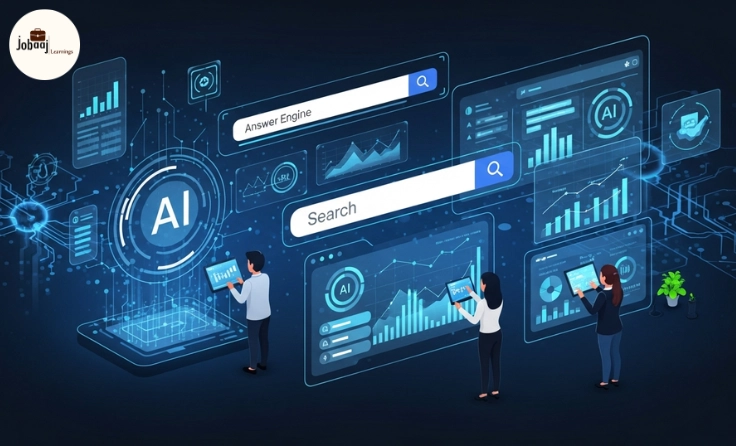
In 2026, AEO is revolutionizing the way marketers connect with their audiences. It’s not just about improving website design or throwing random content at users it’s about creating tailored experiences that resonate deeply with each individual. And if you’re a marketer, it’s crucial to understand how AEO works, why it’s important, and how to integrate it into your marketing strategies for better engagement and conversion rates.
In this blog, we’ll explore the power of AEO and why every modern marketer should embrace this game-changing tool.
Exploring a career in Performance Marketing? Apply Now!
What Exactly is AEO (Algorithmic Experience Optimization)?
In simple terms, AEO is a process that uses advanced algorithms, machine learning, and AI to optimize user experiences. It helps deliver personalized content, designs, and interactions in real-time, based on user preferences, behaviors, and actions. So, while traditional marketing might focus on one-size-fits-all strategies, AEO tailors experiences for every user.
Why is AEO different from traditional marketing strategies?
Traditional methods often rely on static designs and manual adjustments. AEO is dynamic it adapts and evolves automatically based on fresh data.
It creates personalized experiences for every individual, ensuring that users see content that aligns perfectly with their interests and needs at the moment they need it.
AEO is more than just algorithms; it’s about creating emotional connections with your audience. By leveraging real-time data, it helps brands anticipate what their customers want, enhancing user engagement and satisfaction.
Why Should Marketers Care About AEO in 2026?
You might be wondering, “Okay, sounds interesting, but why should I care as a marketer?” Here’s why:
1. Hyper-Personalization – Tailored Content for Every User
With AEO, you can go beyond basic personalization (like addressing a customer by their first name). It takes into account user behavior, browsing habits, and purchase history to deliver the most relevant content, offers, and recommendations. This hyper-personalization creates a unique experience for every visitor, and that’s what makes them feel valued and engaged.
For example, imagine you run an e-commerce website. AEO can show returning customers products based on their previous purchases, browsing history, and even the time of day they typically shop. This can dramatically increase the likelihood of a purchase because the experience feels highly relevant.
2. Real-Time Optimization – Adapting on the Go
A key benefit of AEO is its ability to optimize experiences in real time. Unlike traditional A/B testing, which requires time and effort to gather data, AEO can make instant adjustments based on user interaction. If a user is not engaging with certain content or is bouncing off a page, AEO can dynamically adjust the layout, call-to-action (CTA), or messaging to make it more appealing.
For instance, if your website sees a lot of visitors dropping off at the checkout page, AEO can help optimize the checkout flow by highlighting discounts, offering payment options, or even personalizing the CTA. This real-time adaptation makes the user experience much smoother and more intuitive.
3. Improved Conversion Rates – Turn Visitors Into Loyal Customers
The ultimate goal of marketing is to convert visitors into customers, right? Well, AEO helps you do just that by improving the conversion rates on your website. With AEO, you can optimize CTAs, product recommendations, and landing pages based on what works best for each individual visitor.
AEO helps you ensure that your website doesn’t just offer generic content instead, it delivers exactly what each user is looking for, increasing the chances of a successful conversion.
AEO vs. Traditional Marketing: What’s the Real Difference?
Now that we’ve covered the basics of AEO, let’s break down how it compares to traditional marketing strategies:
Traditional Marketing: Often involves broad targeting, where campaigns are designed to appeal to a general audience. Marketers typically optimize based on set criteria like demographics, location, or broad interests.
AEO Marketing: Focuses on real-time, individual-level optimization, providing hyper-personalized experiences based on real-time interactions. AEO is about tailoring content, design, and offers for each individual user, making it much more dynamic and effective.
The key difference is that AEO allows for continuous learning and optimization, making it smarter, faster, and more responsive than traditional methods.
How to Implement AEO in Your Marketing Strategy?
So, how can you start using AEO in your marketing strategy? Here are a few tips to get you started:
1. Invest in AI and Machine Learning Tools
You’ll need AI-powered tools that can track user behavior, analyze data in real time, and automatically adjust user experiences. Platforms like Optimizely, Dynamic Yield, and Adobe Target are some tools that offer AEO capabilities. These tools help integrate AEO into your website and digital campaigns seamlessly.
2. Collect and Analyze Customer Data
To use AEO, you must first gather and understand your users’ preferences. Use tools like Google Analytics, heatmaps, and customer data platforms (CDPs) to collect behavioral data. The better your data, the more accurately AEO can optimize the user experience.
3. Personalize at Every Touchpoint
Don’t just personalize the homepage optimize every interaction. Whether it’s email marketing, social media ads, or on-site recommendations, use AEO to ensure that every user is seeing content that is relevant to them. This level of personalization creates a more cohesive user journey that increases satisfaction and engagement.
The Future of AEO: What’s Next?
As AEO continues to evolve, the potential for hyper-automation and advanced personalization is limitless. In the coming years, we can expect more AI-driven tools that integrate seamlessly into various marketing channels. These tools will not only enhance the customer experience but also provide marketers with deeper insights into their audience’s needs and behaviors.
The rise of AI in marketing will allow brands to build even stronger relationships with their audience, driving long-term loyalty and conversions. As AEO technology matures, we’ll see it play a pivotal role in the future of digital marketing.
Conclusion
In 2026, AEO is one of the most powerful tools that marketers can leverage to personalize and optimize user experiences across digital platforms. By using AI and machine learning to tailor content and improve interactions in real time, marketers can boost engagement, increase conversions, and create meaningful relationships with their audience.
As digital marketing becomes more competitive, embracing AEO will give you the edge you need to succeed. Start exploring these technologies now, and see how AEO can revolutionize your marketing efforts.
Dreaming of a Performance Marketing Career? Start with Performance Marketing Certificate with Jobaaj Learnings.
Frequently asked questions
What is AEO (Answer Engine Optimization)?
AEO is the process of optimizing content so that it appears as a direct answer in answer engines, like Google’s featured snippets, voice search results, and question-answer platforms. It focuses on providing clear and concise answers to user queries.
How is AEO different from SEO?
While SEO focuses on ranking content in traditional search results, AEO is about optimizing content for **direct answers** in answer engines like voice search and featured snippets. It focuses more on **user intent** and **conversational search queries**.
Why should marketers care about AEO in 2025?
As **voice search** and **answer engines** continue to grow in importance, optimizing for AEO will be essential for staying competitive. Marketers who optimize their content for direct answers will gain better visibility and engagement.
How can I optimize content for AEO?
To optimize for AEO, focus on creating clear and concise answers to specific questions, using long-tail and question-based keywords, and structuring content to increase the chances of appearing in featured snippets and voice search results.
Is voice search important for AEO?
Yes, voice search is a key element of AEO. As more users rely on voice assistants, optimizing content for voice search will help ensure it ranks for spoken queries, which are often more conversational.
What kind of content works best for AEO?
Content that directly answers specific user queries in a concise, well-structured format works best for AEO. This includes question-based content, lists, bullet points, and answers that are easily readable and relevant to the search query.

Join 5,00,000+ Subscribers
Be a part of our ever growing community.