Categories














/content/learnings/assets/header/ManagementConsulting.svg)
/content/learnings/assets/header/InvestmentBanking.svg)


























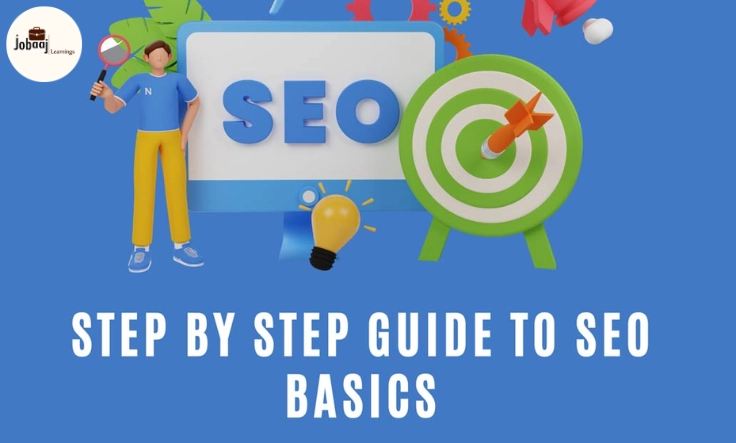
Search Engine Optimization (SEO) is the process of improving a website’s visibility and ranking on search engine results pages (SERPs). When done correctly, SEO helps increase the quantity and quality of traffic to your website, making it essential for anyone looking to improve their online presence. Whether you're a blogger, business owner, or digital marketer, understanding SEO is crucial.
Exploring a career in Performance Marketing? Apply Now!
This guide is designed for beginners to help you understand SEO basics and provide a clear path to getting started with SEO for your website.
Step 1: Understanding How Search Engines Work
Before diving into the specifics of SEO, it’s important to understand how search engines work. Search engines like Google, Bing, and Yahoo use algorithms to rank websites based on various factors. These factors help determine the relevance of your content to users' search queries.
Crawling: Search engines use bots (also known as crawlers or spiders) to explore the web and gather data from websites. These bots scan your website’s pages and identify new content, links, and keywords.
Indexing: Once the search engine crawls your site, it stores the information in an index. The index is like a giant library where search engines keep track of all the websites they've crawled.
Ranking: When a user searches for something, the search engine looks at its index and ranks the pages based on relevance, quality, and other factors. Pages with higher-quality content, faster load times, and relevant keywords rank higher.
Step 2: Keyword Research: The Foundation of SEO
Keywords are the terms or phrases users type into search engines. Keyword research helps you identify the words and phrases that your target audience is searching for. By targeting the right keywords, you can ensure your website appears in relevant search results.
How to do Keyword Research: Use tools like Google Keyword Planner, SEMrush, or Ahrefs to find keywords that are relevant to your website’s niche. Focus on both short-tail (broad) and long-tail (specific) keywords.
Choosing the Right Keywords: Look for keywords with high search volume and low competition. Also, make sure the keywords are relevant to the content you plan to produce.
Using Keywords: Once you have your keywords, use them naturally in your content. Avoid keyword stuffing, as it can negatively affect your ranking. Aim for a keyword density of around 1-2%.
Step 3: On-Page SEO: Optimizing Your Website
On-page SEO refers to optimizing the individual pages of your website to improve their search engine rankings. Here are the key components of on-page SEO:
Title Tags: The title tag is one of the most important elements for SEO. It should include your target keyword and be concise (under 60 characters). The title is what appears in search engine results, so make it compelling.
Meta Descriptions: A meta description is a brief summary of a web page's content. It appears below the title in search results and should include your main keyword and a call-to-action. Keep it under 160 characters.
URL Structure: Use short, descriptive URLs that include your target keyword. For example, instead of a generic URL like "www.example.com/page1", use something like "www.example.com/seo-basics-guide".
Header Tags (H1, H2, H3): Use header tags to organize your content and make it more readable. The H1 tag should include your main keyword and be used for the page title, while H2 and H3 tags are used for subheadings.
Content Optimization: Your content should be high-quality, informative, and keyword-rich. Aim for comprehensive content that answers users’ questions and provides value.
Internal Linking: Linking to other pages within your website helps search engines understand the structure of your website and keeps visitors engaged longer. It also helps distribute link equity (SEO value) throughout your site.
Step 4: Off-Page SEO: Building Backlinks
Off-page SEO refers to activities that take place outside of your website, such as building backlinks from other reputable websites. Backlinks (or inbound links) are one of the most important ranking factors for search engines.
Why Backlinks Matter: Backlinks are a vote of confidence from other websites. When high-authority websites link to your content, it signals to search engines that your site is trustworthy and valuable.
How to Build Backlinks: Focus on earning quality backlinks from reputable sites in your industry. You can do this by:
- Guest blogging
- Collaborating with influencers
- Creating shareable content (infographics, reports, etc.)
- Building relationships with industry peers
Avoid Bad Backlinks: Not all backlinks are created equal. Avoid spammy backlinks from low-quality websites, as they can hurt your SEO efforts.
Step 5: Technical SEO: Optimizing Your Website’s Performance
Technical SEO refers to the behind-the-scenes optimization of your website to improve its crawling, indexing, and ranking. Key aspects of technical SEO include:
Site Speed: Faster websites provide a better user experience and are favored by search engines. Use tools like Google PageSpeed Insights to measure your site’s speed and make necessary improvements.
Mobile Friendliness: Ensure that your website is mobile-friendly. With the increasing number of mobile users, search engines prioritize mobile-optimized websites.
XML Sitemaps: An XML sitemap helps search engines crawl your website more efficiently. It provides a roadmap of your site’s pages, ensuring that all content is indexed.
Secure Website (HTTPS): Websites that use HTTPS (secure) are considered safer by search engines and users. Make sure your website has an SSL certificate.
Fix Broken Links: Broken links (404 errors) can negatively impact your SEO. Regularly check your site for broken links and fix them.
Step 6: Monitoring and Analyzing Your SEO Efforts
SEO is not a one-time task. It requires ongoing monitoring and analysis to ensure your website is performing well. Use tools like Google Analytics and Google Search Console to track your progress.
Google Analytics: This tool helps you monitor traffic, user behavior, bounce rates, and more. It also allows you to track the effectiveness of your SEO efforts over time.
Google Search Console: Search Console shows how your site is performing in search results, the keywords that bring traffic, and any issues with indexing or security.
Conclusion
SEO is a powerful tool for increasing your website’s visibility and driving more organic traffic. By following the steps outlined in this guide, beginners can begin to optimize their websites effectively and see meaningful improvements in search engine rankings. SEO may take time, but with patience and continuous effort, it is one of the best ways to ensure long-term success for your website.
Dreaming of a Performance Marketing Career? Start with Performance Marketing Certificate with Jobaaj Learnings.
Frequently asked questions
What is SEO and why is it important?
SEO, or Search Engine Optimization, is the process of optimizing your website to rank higher in search engine results. It's important because it helps increase organic (non-paid) traffic to your website, improving visibility and driving more potential customers to your site.
What are the main types of SEO?
There are three main types of SEO: on-page SEO (optimizing content on your website), off-page SEO (building backlinks), and technical SEO (optimizing website performance and structure).
How do I do keyword research?
Keyword research involves identifying the words and phrases people use to search for information related to your business. You can use tools like Google Keyword Planner, SEMrush, or Ahrefs to discover relevant keywords and analyze their search volume and competition.
How long does it take to see results from SEO?
SEO is a long-term strategy, and results may take several months to show. Typically, you might start seeing improvements in traffic and rankings within 3-6 months, but significant results can take up to a year depending on competition and the strength of your SEO efforts.
What is a backlink and why is it important for SEO?
A backlink is a link from another website to your site. Backlinks are crucial for SEO because they signal to search engines that your website is credible and trustworthy. Quality backlinks from reputable sites can significantly improve your rankings.

Join 5,00,000+ Subscribers
Be a part of our ever growing community.