Categories








































In today’s digital age, social media is not just about sharing personal moments or keeping up with friends and family. It has become an essential tool for businesses, big and small, looking to expand their reach, engage with customers, and drive growth. If you’re an entrepreneur or business owner, you’ve likely realized that social media is no longer optional—it's a vital component of your marketing strategy.
Exploring a career in Performance Marketing? Apply Now!
From brand awareness to customer engagement and sales growth, social media plays a significant role in how modern businesses grow and connect with their audience. But the question remains: How exactly does social media contribute to business growth, and how can you use it effectively?
In this blog, we will explore the role of social media in modern business growth, the benefits it offers, and how businesses can leverage it to their advantage. Whether you're a seasoned entrepreneur or just starting out, understanding the impact of social media on business growth is essential for staying competitive in today’s market.
Expanding Brand Awareness
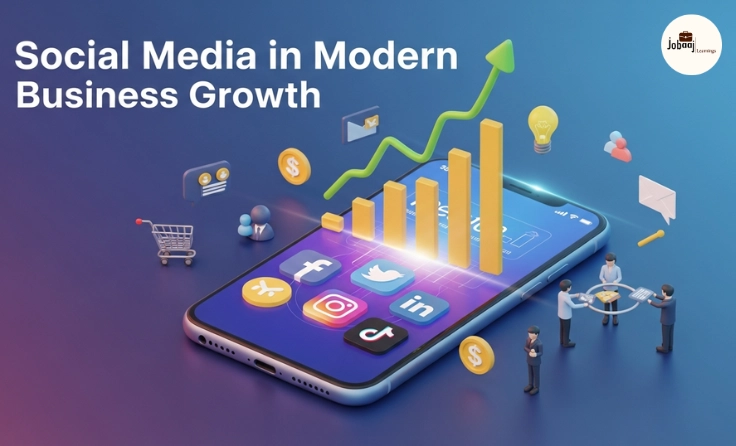
One of the primary ways social media drives business growth is through brand awareness. With billions of active users across platforms like Facebook, Instagram, Twitter, LinkedIn, and TikTok, businesses now have an unparalleled opportunity to reach new customers and introduce their brand to a global audience.
Through organic posts, paid ads, and collaborations with influencers or other businesses, brands can increase their visibility and make their mark in the market. The beauty of social media is that it allows businesses to target very specific audiences based on demographics, interests, and behaviors. This targeted approach ensures that the right message reaches the right people, improving the chances of attracting potential customers.
For example, a local coffee shop can use Instagram to showcase its offerings, engage with the local community, and attract more foot traffic. A tech company can leverage LinkedIn to promote its latest products or connect with industry professionals. Regardless of your business type, social media provides the tools to build a recognizable and memorable brand presence.
Building and Nurturing Customer Relationships
Beyond simply expanding brand awareness, social media plays a critical role in building and nurturing relationships with customers. Unlike traditional forms of marketing, social media allows businesses to have direct, real-time communication with their audience. This opens up opportunities for more personal interactions that build trust and foster loyalty.
Responding to customer inquiries, comments, and reviews, sharing behind-the-scenes content, and engaging in conversations not only humanizes your brand but also helps you better understand your customers’ needs and preferences. When customers feel heard and valued, they are more likely to remain loyal and recommend your business to others.
Social media also provides the perfect platform for businesses to share valuable content, such as blogs, videos, and educational resources, which can further strengthen your relationship with your audience. By consistently offering helpful and relevant content, businesses can position themselves as experts in their industry, earning trust and credibility in the process.
Generating Leads and Boosting Sales
When used strategically, social media can be a powerful tool for generating leads and boosting sales. Platforms like Facebook, Instagram, and LinkedIn offer advanced advertising features that allow businesses to create targeted ad campaigns designed to drive conversions.
Through paid advertising, businesses can target specific user segments, retarget visitors who have previously interacted with their website, and even offer special promotions or discounts directly to their audience. This level of precision helps businesses get the most out of their marketing budgets, ensuring that they are reaching people who are more likely to convert.
In addition to paid ads, social media features like shoppable posts (on platforms like Instagram and Facebook) and product tags allow customers to purchase products directly from the platform. This reduces friction in the buying process, making it easier for customers to make purchases, which directly contributes to sales growth.
Leveraging Analytics to Drive Strategy
One of the biggest advantages of social media is the wealth of data it provides. Platforms like Facebook, Instagram, and Twitter offer analytics tools that allow businesses to track engagement, understand audience behavior, and measure the success of their campaigns.
By analyzing this data, businesses can adjust their strategies to better align with their audience’s preferences and behavior. For instance, if a particular post generates high engagement, you can create more content around similar topics. Similarly, if an ad campaign isn’t performing well, you can tweak the targeting or messaging to optimize results.
This data-driven approach ensures that businesses make informed decisions rather than relying on guesswork, helping them maximize their social media efforts for business growth.
Social Media and Competitive Advantage
In the highly competitive world of business, staying ahead of the curve is crucial. Social media allows businesses to keep an eye on the competition and adapt to changes in the market. By monitoring competitors’ social media activity, businesses can identify emerging trends, customer preferences, and potential gaps in the market that they can exploit.
Additionally, businesses can use social media to differentiate themselves by showcasing what makes them unique. Whether it's through engaging content, customer-centric marketing, or a creative ad campaign, social media allows businesses to carve out their niche and stand out from the competition.
Cost-Effective Marketing Strategy
For many businesses, especially startups and small enterprises, social media offers an affordable way to market products and services without breaking the bank. Compared to traditional advertising channels like TV or print, social media is relatively inexpensive, and businesses can reach a wide audience at a fraction of the cost.
While paid advertising is an option, organic reach through regular posting and engaging with followers can also be highly effective. Many small businesses and entrepreneurs have grown their brands simply by leveraging the free tools available on social media platforms.
Conclusion
Social media has fundamentally changed the way businesses grow in the modern world. It offers a wealth of opportunities for expanding brand awareness, building relationships with customers, generating leads, and driving sales. By effectively leveraging social media platforms, businesses can gain a competitive edge, optimize their marketing strategies, and achieve sustainable growth.
As a business owner, embracing social media is no longer optional—it’s essential. Whether you’re just starting or looking to scale, social media provides the tools and resources to help your business thrive in 2025 and beyond. The key to success lies in understanding your audience, creating engaging content, and continuously refining your approach based on data and feedback.
Dreaming of a Performance Marketing Career? Start with Performance Marketing Certificate with Jobaaj Learnings.
Frequently asked questions
How does social media help in business growth?
Social media helps businesses by increasing brand awareness, building relationships with customers, generating leads, and driving sales through targeted campaigns and engaging content.
What are the best social media platforms for business growth?
Popular platforms for business growth include Facebook, Instagram, LinkedIn, Twitter, and TikTok. The best platform depends on your target audience and the type of business you run.
How can I build brand awareness through social media?
Building brand awareness on social media involves consistent posting, engaging with followers, running targeted ads, and sharing valuable content that resonates with your audience.
Is social media marketing affordable for small businesses?
Yes, social media marketing is very affordable, especially when compared to traditional marketing channels. Many small businesses use organic social media posts and low-cost ads to grow their brand.
What role does social media play in customer relationships?
Social media allows businesses to engage with customers directly, respond to inquiries, share updates, and build trust, which strengthens long-term relationships and loyalty.
How can I measure the success of my social media efforts?
You can use social media analytics tools to track engagement, conversions, and audience behavior. This data helps you refine your strategy and ensure your efforts are aligned with business goals.

Join 5,00,000+ Subscribers
Be a part of our ever growing community.